Pushing for a Prescription
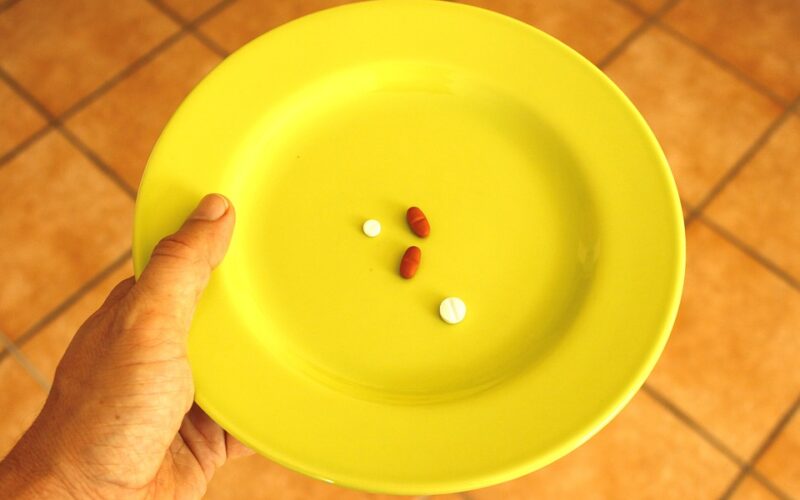
Overprescription occurs when medications are prescribed unnecessarily, in excessive doses, or for longer than needed. It's a systemic issue that spans antibiotics, painkillers, antidepressants, and beyond. While a single unnecessary prescription might seem harmless, the cumulative effect across millions of patients is anything but.
The scale of the problem
The numbers are difficult to ignore. In England alone, over one billion prescription items are dispensed every year. Studies suggest that a significant proportion of these are either unnecessary or could be replaced with non-pharmacological alternatives. Antibiotic overprescription is particularly well-documented — the UK's National Action Plan on antimicrobial resistance has flagged it as a major contributor to antibiotic-resistant infections, which already claim tens of thousands of lives globally each year.
Why does overprescription happen?
The causes are complex. Time-pressured GP appointments make it easier to write a prescription than to explore root causes. Patients often arrive expecting medication, and clinicians may feel reluctant to disappoint. Pharmaceutical marketing, though more tightly regulated in the UK than in the US, still plays a role in shaping prescribing habits. In some cases, outdated clinical guidelines or a lack of access to mental health and physiotherapy services leave medication as the only practical option available.
The consequences for patients
Unnecessary medication carries real risks. Side effects, drug interactions, and dependency are well-established concerns. Long-term opioid prescriptions, for instance, have contributed to a quiet but serious addiction crisis in parts of the UK. Overprescription of antidepressants has prompted debate about whether some patients are being medicated rather than supported through therapy or social intervention. For elderly patients managing multiple conditions, polypharmacy — the use of five or more medications simultaneously — significantly increases the risk of adverse events and hospital admissions.
The wider public health impact
Beyond individual patients, overprescription strains the NHS and poses environmental risks. Unused medications frequently end up in waterways, where pharmaceutical residues have been detected in rivers across the UK, raising concerns about ecological damage and the long-term effects on drinking water. Antimicrobial resistance, driven in part by antibiotic overuse, is projected to become one of the leading causes of death worldwide by 2050 — a sobering reminder that prescribing decisions made in a consultation room can have consequences that extend far beyond it.
What needs to change?
Addressing overprescription requires action at every level. Longer GP appointments, better access to talking therapies, and stronger investment in community-based care could reduce reliance on medication. Prescribing audits and feedback systems help clinicians identify patterns in their own practice. Patient education is equally important — understanding that antibiotics won't treat a viral infection, or that a short course of painkillers isn't always the safest path forward, can shift expectations before they even reach the surgery.
A more thoughtful approach to medicine
Medication saves lives. That is not in dispute. But the growing body of evidence around overprescription makes clear that more is not always better. Striking the right balance — prescribing when genuinely needed, and resisting the reflex to medicate every complaint — is one of the most important challenges facing modern healthcare. The pill, in the right hands at the right time, remains one of medicine's greatest tools. The question is whether we're always using it wisely.