Pros and Cons of Modern Medicine
Modern medicine has transformed the way we approach health, extending life expectancy and curing diseases that were once considered fatal. As healthcare continues to evolve, patients are increasingly encouraged to take an active role in their treatment journeys. Becoming an informed patient means understanding both the remarkable capabilities and the inherent limitations of contemporary medical science. This active participation requires a careful evaluation of the available treatments, the potential side effects, and the long-term impacts on one's overall well-being. By engaging thoughtfully with medical professionals, individuals can make decisions that align with their personal values and health goals.
The benefits of technological advancements in healthcare
The rapid progression of medical technology is arguably the most significant advantage of modern healthcare. Innovations such as minimally invasive surgical techniques, targeted cancer therapies, and advanced imaging systems have revolutionised patient outcomes. These tools allow doctors to detect abnormalities at exceptionally early stages, drastically improving the chances of successful intervention. Furthermore, the development of synthetic medications and vaccines has eradicated or controlled numerous infectious diseases across the globe. For the informed patient, these advancements offer a broad spectrum of treatment options that can be tailored to their specific physiological needs, ultimately leading to faster recovery times and a higher quality of life.
Understanding the risks of overmedicalisation
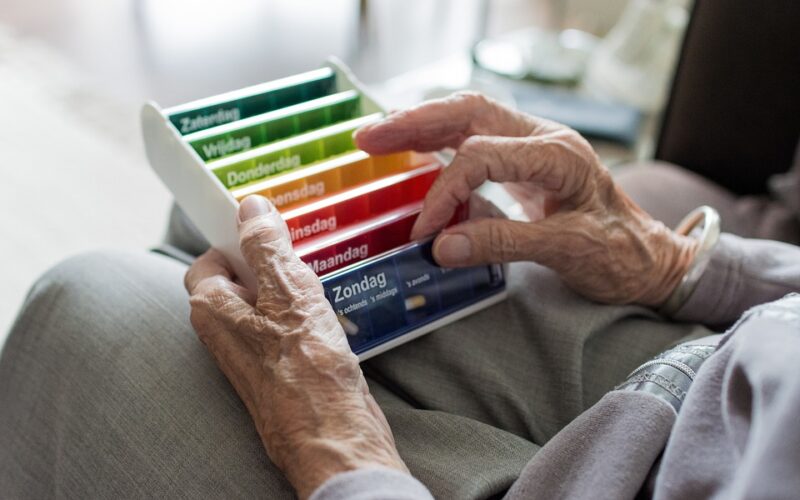
Despite these incredible achievements, the contemporary medical landscape is not without its drawbacks. One of the primary concerns is the phenomenon of overmedicalisation, where ordinary life processes or minor ailments are treated as medical conditions requiring clinical intervention. This approach can lead to the unnecessary prescription of pharmaceuticals, which may carry adverse side effects that outweigh their intended benefits. The heavy reliance on prescription drugs can sometimes obscure underlying lifestyle factors, such as diet and stress, which play a crucial role in maintaining long-term health. Patients must remain vigilant and question whether a medicalised solution is truly the most effective and sustainable path forward.
Navigating the complexities of healthcare systems
Another challenge facing today's patients is the sheer complexity and fragmentation of modern healthcare systems. In many developed nations, medical care is divided into highly specialised fields. While this ensures expert attention for specific ailments, it can also result in a lack of cohesive care. A patient might see several different specialists who do not consistently communicate with one another, leading to conflicting advice or duplicated tests. Navigating this labyrinth requires patients to act as their own advocates, meticulously tracking their medical records and ensuring that their primary care provider is kept informed of all specialised treatments and diagnoses.
Balancing traditional interventions with holistic approaches
To counter the hyper-focused nature of modern clinical treatments, many individuals are turning towards holistic and preventative health measures. These approaches emphasise the importance of treating the whole person rather than just isolating and attacking a specific set of symptoms. Incorporating regular exercise, nutrient-dense diets, and mental health support can significantly reduce the likelihood of developing chronic conditions in the first place. An informed patient recognises that whilst modern medicine is unparalleled in acute emergency situations and complex surgical procedures, everyday vitality is often best supported through foundational lifestyle habits that promote natural resilience and physiological balance.
Taking charge of your health journey
Ultimately, navigating the pros and cons of modern medicine requires a proactive and educated approach. Patients should feel empowered to ask questions, seek second opinions, and thoroughly research their prescribed treatments using reputable medical sources. Building a trusting and communicative relationship with healthcare providers ensures that medical decisions are made collaboratively rather than passively accepted. By weighing the immediate benefits of advanced clinical interventions against the potential risks of side effects and over-treatment, individuals can forge a health strategy that maximises the brilliant innovations of contemporary science while maintaining a grounded respect for the body's natural healing capacities.